Avoid common mistakes when hiring Blackwall gardeners
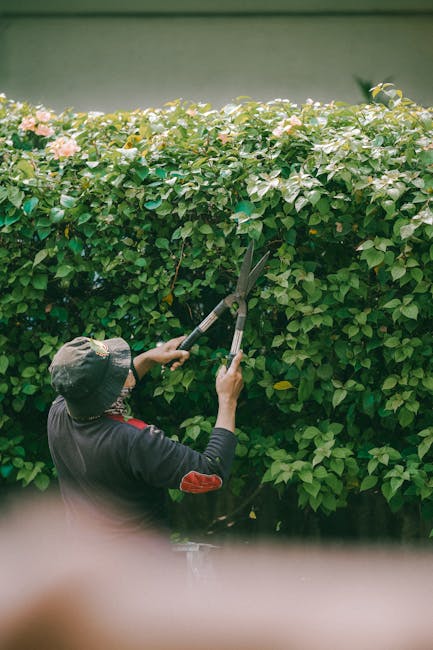
Hiring a gardener should make life easier, not add another headache to your week. Yet plenty of people in Blackwall end up disappointed because they rush the decision, focus only on price, or assume every gardener offers the same standard of work. That is rarely true. If you want a tidy garden, clear communication, and work that actually lasts, it pays to know the common mistakes when hiring Blackwall gardeners before you book anyone in.
This guide walks you through the practical side of choosing a gardener in Blackwall: what to look for, what to avoid, how to compare quotes, and which questions matter most. It is written for real homeowners, landlords, tenants, and small businesses who want straightforward advice without the fluff. And yes, a little care at the start can save a lot of frustration later on.
Why avoiding these mistakes matters
A garden job can look simple from the outside. Mow the lawn, trim the hedge, clear the borders, tidy the paths. But the quality of the result often depends on the person doing the work, the equipment they bring, and how clearly the job is scoped from the beginning. Skip those checks and you may end up with patchy lawn cutting, over-cut hedges, missed waste removal, or a "finished" garden that still needs another round of attention.
In a place like Blackwall, where outdoor space can be compact and access may be awkward, these details matter even more. A small courtyard, shared entrance, limited parking, or a tight side passage can all affect how a gardener works. If someone has not planned for that, the job can become slower, messier, and more expensive than expected. To be fair, that is not always obvious until the day they turn up.
Avoiding the usual hiring mistakes also helps you protect your budget. A cheap quote can look attractive, but if it excludes waste disposal, follow-up visits, or proper tools, the final cost can creep up quickly. The same goes for safety. Basic checks around insurance, liability, and working methods are not "nice to have"; they are part of making sure the work is done properly. For more on the standards a good local team should follow, it is worth reviewing the site's insurance and safety information and health and safety policy.
Expert summary: the best hiring decision is rarely the cheapest one, and rarely the flashiest one. It is the one that gives you clear scope, sensible pricing, safe working practices, and a finish that matches your garden's needs.
How hiring a Blackwall gardener should work
At its simplest, hiring a gardener should follow a clean, predictable process. You explain the job, the gardener assesses the scope, a quote is agreed, and the work is carried out to the standard you discussed. No mystery. No moving goalposts. No "we thought you meant something else" halfway through the job.
Good gardening services usually start with a conversation about the garden's condition, size, access, and priorities. Are you after one-off clearance, regular maintenance, hedge work, lawn care, or a broader landscaping project? Different jobs need different planning. A weekly tidy-up is a very different task from a heavy seasonal cutback or a full clearance after months of growth. If you are not sure which service fits, a sensible starting point is the services overview.
From there, a reliable gardener should be able to explain what is included, what might cost extra, and what happens if unexpected issues come up. That might mean hidden rubbish in a border, difficult access to a rear garden, or a tree branch that needs specialist handling rather than a standard trim. You do not need every detail on day one, but you do need enough clarity to avoid surprises.
It also helps when the business has a clear approach to pricing, payment, and service expectations. Transparent documentation is not exciting, granted, but it is a strong sign that the company is used to dealing with customers professionally. You can see how this is handled on the site's pricing and quotes and payment and security pages. That kind of structure usually makes the whole experience smoother.
Key benefits and practical advantages
When you avoid the common mistakes, the benefits show up quickly and in very practical ways. First, you save time. A gardener who turns up with the right tools and a clear brief can get on with the work instead of stopping every ten minutes to ask questions. Second, you save money by reducing rework, wasted visits, and vague add-ons.
There is also the simple satisfaction of a garden that feels under control again. A crisp edge along the lawn, neatly shaped hedges, and cleared paths can make an outdoor space feel larger and calmer. If you live near busy roads or water-facing paths around Blackwall, that sense of order matters more than people often admit. You notice it the moment you step outside with a coffee in hand on a cold morning.
Another benefit is trust. Once you find a gardener who explains things clearly and honours commitments, you stop having to second-guess every visit. That is a big deal for landlords, busy families, and anyone arranging regular upkeep. If ongoing maintenance is the goal, a structured approach such as garden maintenance can be far more effective than occasional patchwork fixes.
Finally, good hiring decisions reduce avoidable risk. You are less likely to deal with property damage, unresolved debris, poor cutting technique, or a difficult conversation after the job is complete. Let's face it, nobody wants to chase a contractor over something that should have been handled cleanly in the first place.
Who this is for and when it makes sense
This guidance is useful for anyone arranging work in a garden, but it is especially relevant if you have not hired a gardener recently. Standards, pricing styles, and service expectations can vary more than people realise. A well-organised local gardener may offer regular maintenance, one-off tidy-ups, hedge trimming, lawn mowing, clearance, and more. A less organised one may offer everything and explain very little. That is where problems begin.
Homeowners often need this advice when the garden has got away from them a bit. It happens. Work gets busy, the weather turns, and suddenly you are facing waist-high growth and borders that look like they have been left to manage themselves. Tenants may need help before an end-of-tenancy inspection. Landlords and letting agents may need reliable upkeep between occupancies. Businesses and communal properties may need tidy, consistent maintenance to keep an exterior presentable.
It also makes sense if you are planning more than routine maintenance. If the job may involve a bigger layout change, hard landscaping, or improved use of space, then you need a clearer conversation about scope and sequencing. In that case, landscape gardening or broader landscaping may be more appropriate than a simple visit to cut and clear.
If your garden includes overgrown shrubs, awkward hedges, or mature branches, you may also need to think carefully about whether the work includes specialist tasks. Services such as hedge trimming, lawn mowing, or even tree lopping and removal can all require different equipment and planning. The main point? Match the job to the right skillset.
Step-by-step guidance
1. Define the job before you request a quote
Be precise. "Just tidy the garden" is too vague. List what actually needs doing: mowing, edging, hedge cutting, weed removal, leaf clearance, waste removal, or a seasonal reset. If you know the space has access issues, mention them now. A gardener can only quote accurately if they know what they are walking into.
2. Ask what is included
One quote may include cutting, clearing, and bagging waste. Another may only cover the labour. Ask whether green waste will be removed, whether the quote covers trimming heights or specialist cuts, and whether any materials or extra labour could be added later. This is one of the easiest ways to prevent awkward misunderstandings.
3. Check practical experience, not just a website
Look for signs that the gardener understands the type of work you actually need. A neat website is fine, but experience shows up in how they talk about access, plant care, waste handling, seasonal timing, and aftercare. The about us page can help you understand the company background, but your conversation matters too.
4. Confirm insurance and safety basics
Before any work starts, make sure there is proper cover and safe working practice for the job. This matters especially for ladders, power tools, heavy lifting, or branch work. A gardener who takes this seriously will not make you feel awkward for asking. They will probably be relieved you asked. If in doubt, check insurance and safety.
5. Agree timing and access clearly
Decide when the work will happen, how the gardener will access the property, and whether someone needs to be home. If there are shared gates, coded entry, or neighbours who need notice, say so early. It sounds obvious, but a surprising number of jobs go sideways because nobody clarified the practical bits.
6. Keep a record of the quote and scope
Even if you are hiring a local gardener for a small job, keep the agreement in writing. It does not need to be formal or stiff. A simple message confirming the work, price, date, and inclusions is often enough. You want a shared understanding, not a legal drama.
7. Review the result before closing the job
Take a few minutes to walk the garden with the gardener, if possible. Check whether the agreed areas were completed and whether waste has been removed as promised. It is far easier to resolve small issues on the spot than after the team has left and the kettle is already on.
Expert tips for better results
A few small habits make a big difference when hiring a gardener. First, send photos if you are getting an estimate remotely. Pictures of the front access, rear garden, and the worst parts of the space help the gardener quote more accurately. This is especially useful for awkward town gardens or properties with narrow access. A clear photo can save everyone time.
Second, think seasonally. Spring and early summer can bring rapid growth, while autumn often means leaf clearance and garden reset work. Booking in line with the season usually gives better results than waiting until everything has become a tangle. Gardeners are not magicians. They can work wonders, yes, but a lawn that has gone wild for three months will not behave like a neat weekend patch after one quick pass.
Third, if you want regular upkeep, ask about a maintenance rhythm rather than a one-off fix. For many gardens, consistency beats intensity. A shorter visit every few weeks can keep things manageable and often cheaper in the long run than sporadic catch-up jobs. That is one of those boring truths that turns out to be very useful.
Fourth, make sure the gardener understands your preferences. Some people want a very tidy, clipped look. Others prefer a softer, more natural finish. If you do not say, the gardener may choose their own default. That can be fine, or it can be slightly annoying when the border you liked has been cut back more than you expected.
And one more thing: ask how they handle waste. A clean finish is not just about what gets cut; it is about what gets taken away, recycled, or disposed of properly. The site's recycling and sustainability information is useful if you care about that side of the job, and many people do these days.
Common mistakes to avoid
Choosing the cheapest quote without checking scope
This is the classic one. A low price can be tempting, especially if the garden looks like hard work. But cheap quotes sometimes hide missing items: waste removal, tools, return visits, or even basic tidying. Always compare like with like.
Not asking what "tidy" actually means
One person's tidy is another person's half-finished job. Be specific about cutting height, border finish, waste disposal, and whether paths, patios, or decking edges should be blown down or swept. Vague language causes unnecessary arguments later.
Assuming every gardener handles every task
Some gardeners focus on regular maintenance. Others handle landscape projects. Others specialise in clearance or heavier cutting work. If you need a larger reset, do not assume a maintenance visit will cover it properly. Match the service to the problem.
Ignoring access, parking, or site constraints
In Blackwall, access can matter more than people think. If parking is difficult, equipment needs carrying through a building, or the garden is split across levels, say so upfront. Otherwise the quote may be wrong and the visit may be delayed.
Skipping insurance and safety checks
It can feel awkward to ask, but it really should not. If ladders, power tools, or heavier garden work are involved, you want peace of mind. If a gardener hesitates to explain their safety approach, that is a red flag. A small one, maybe, but still a red flag.
Forgetting to confirm the payment terms
How and when do you pay? Is it after the job, on completion, or by invoice? Are there deposits for larger jobs? A clear answer prevents awkwardness and supports trust. You can also review payment and security for a sense of the company's approach.
Not checking how complaints are handled
No one wants a complaint, but you want to know there is a fair process if something goes wrong. A clear complaints procedure is a good sign that the business takes customer issues seriously rather than shrugging them off.
Hiring without asking about service range
If you think you may need multiple tasks, ask whether the company can support them before you commit. It is more efficient to coordinate related work through one provider than to patch together several visits from different people.
Tools, resources and recommendations
You do not need to become a gardening expert to make a good hiring decision, but a few simple tools help. A phone camera is one of the best quote tools there is. Take photos in daylight, ideally from a couple of angles, so the gardener can see scale, access, and problem areas.
A short written brief also helps. Keep it to a few bullet points: what you want done, what is not included, whether waste should be removed, and any access notes. It sounds a bit formal, maybe, but it saves time. If you want to be really organised, keep a running note of preferred dates, recurring issues, and what worked well last time.
For service planning, the site's services overview is a practical place to compare different job types. If your garden needs a bigger refresh, garden clearance may be more suitable than a standard tidy. If the work is routine, garden maintenance is usually the better fit. For lawns specifically, lawn mowing is its own job, and it is best treated as such rather than bundled vaguely into "tidying".
My honest recommendation: use the website pages to understand the service, but use the conversation to judge the person. That combination gives you the clearest picture. One without the other? Bit risky.
Law, compliance, standards and best practice
Gardening is not a heavily regulated purchase in the same way some trades are, but that does not mean best practice is optional. In the UK, customers should still expect safe working, clear pricing, honest descriptions of services, and proper handling of waste and property. Good businesses usually set out these expectations through policies rather than leaving everything to chance.
For example, if a job involves elevated work, sharp tools, or heavier materials, safe methods and suitable insurance matter. If a contractor is handling green waste, it is sensible to ask how they manage disposal and recycling. If they are entering your property, basic professionalism and respect for access arrangements should be a given. These are not fancy extras; they are the baseline.
It is also good practice for businesses to be transparent about terms, data handling, and customer rights. A few relevant pages on the site include terms and conditions, privacy policy, and accessibility statement. Those pages may not be the most thrilling reading in the world, but they do help show a professional approach.
Where a garden job involves trees, branches, or more technical work, it is especially wise not to guess. If something looks beyond routine trimming, it may need a more appropriate service or further assessment. Better to pause and clarify than to create damage and regret it later.
Options and comparison table
Choosing the right type of gardening help becomes easier once you separate the job into categories. Here is a simple comparison to help you think clearly before you book.
| Type of work | Best for | Typical risk if you hire badly | What to check first |
|---|---|---|---|
| Regular garden maintenance | Ongoing tidying, seasonal upkeep, small repeat jobs | Missed tasks, inconsistent finish, poor continuity | Visit frequency, inclusions, waste handling |
| Lawn mowing | Lawns that need a clean, consistent cut | Uneven cutting, damaged edges, poor timing in wet weather | Cut height, edging, grass removal |
| Hedge trimming | Formal or informal hedge shaping, boundary neatness | Over-cutting, messy lines, stress to plants | Shape expectations, seasonal timing, tool suitability |
| Garden clearance | Overgrown, cluttered, or neglected spaces | Underquoting, incomplete waste removal, extra charges | Waste volume, access, what counts as clearance |
| Landscaping or landscape gardening | Reworking layout, improving structure, bigger garden changes | Poor planning, unsuitable materials, costly revisions | Design scope, timeline, materials, aftercare |
| Tree-related work | Branches, reduction, removal, or safety-related concerns | Safety issues, property damage, unsuitable technique | Experience, safety approach, whether the job is specialist |
If you are unsure where your job fits, start broad and narrow it down. That is usually better than calling everything "garden work" and hoping for the best. Hope is lovely; precision is better.
Case study or real-world example
Here is a realistic example based on the kind of situation many people face. A Blackwall resident had a back garden that had got away from them after a long stretch of travel and work commitments. The lawn was patchy, the hedge was creeping over the fence, and the borders had turned into a tangle of weeds and old cuttings. They booked the first gardener they found because the quote looked simple and cheap.
On the day, the work took longer than expected because access to the rear garden was tight and the gardener had not accounted for the amount of waste. The quote covered cutting, but not disposal. The hedge also needed more careful trimming than expected, and the lawn mower setup was not quite right for the state of the grass. Nothing disastrous, but the final result was more expensive and less tidy than the resident had hoped.
When they later arranged follow-up work, they did things differently. They sent photos in advance, asked exactly what the quote included, checked that waste removal was part of the job, and clarified the preferred finish. The second visit was calmer, faster, and cleaner. The garden did not suddenly become perfect, obviously, but the experience felt manageable rather than stressful.
That is really the lesson here. A little clarity at the start tends to save a lot of fuss at the end.
Practical checklist
Use this quick checklist before you hire any Blackwall gardener:
- Have I clearly defined the work I need done?
- Have I asked what is included in the quote?
- Do I know whether waste removal is included?
- Have I checked access, parking, and site restrictions?
- Have I asked about insurance and safety practices?
- Do I know how payment works?
- Have I confirmed the date, timing, and likely duration?
- Do I know whether this is a maintenance job, clearance job, or something bigger?
- Have I reviewed the company's service information?
- Do I know how to raise an issue if something goes wrong?
If you can answer most of those confidently, you are in a much better position than the average rushed booking. Not perfect, just prepared. And that is usually enough.
Conclusion
Avoiding common mistakes when hiring Blackwall gardeners is mostly about common sense, but the kind that needs a little structure. Be clear about the job, ask what is included, check safety and insurance basics, and make sure the service matches the real condition of your garden. When you do that, the whole process becomes easier, cleaner, and far more predictable.
Good gardening work should leave you with less stress, not more. The right local team will make the process feel straightforward, respect your property, and give you a result that lasts beyond the first tidy-up. That is what you want: not drama, just a garden that feels looked after.
Get a free quote today and see how much you can save.
If you are still weighing up your options, take one more look at the company's background, pricing approach, and contact details. A few minutes now can save you a lot of back-and-forth later, and frankly, that is time better spent enjoying the garden once the job is done.
Frequently Asked Questions
What are the most common mistakes people make when hiring Blackwall gardeners?
The biggest mistakes are choosing on price alone, failing to define the job, ignoring waste removal, and not checking insurance or safety practices. Vague communication causes more problems than most people expect.
How do I know if a gardener's quote is fair?
A fair quote should clearly explain what is included, how waste is handled, whether access affects the price, and whether the work is one-off or ongoing. Compare quotes on the same basis rather than just picking the cheapest number.
Should I choose a gardener who offers many different services?
Not automatically, but it can be useful if your garden needs more than one type of work. A broader service range can help with lawn care, hedge trimming, clearance, and landscaping, provided the company explains each job clearly.
Do Blackwall gardeners need insurance?
They should have appropriate insurance for the work they do, especially when tools, ladders, or heavier tasks are involved. It is sensible to ask about cover before the job begins.
How can I avoid misunderstandings about what is included?
Write down the job in plain English, ask what is excluded, and confirm the scope before work starts. Photos are also very helpful if the garden is difficult to describe properly.
Is it better to book regular maintenance or a one-off visit?
That depends on the garden. If it needs ongoing care, regular maintenance is often more cost-effective and keeps the space easier to manage. If it is badly overgrown, a one-off clearance may be the right first step.
What should I ask before booking hedge trimming or lawn mowing?
Ask about the finish you want, the cutting height, whether waste is removed, and whether the work is suitable for the current condition of the plants or lawn. It sounds simple, but it prevents most disappointments.
Why does access matter so much for garden work?
Access affects time, labour, equipment choices, and waste removal. Narrow passageways, stairs, shared entrances, and limited parking can all change how the work is priced and carried out.
What if I need more than gardening, like landscaping or decking?
Then it is worth asking whether the business offers broader services such as landscaping or decking services. Bigger projects need clearer planning than routine garden tidying.
How do I know if a gardener takes customer service seriously?
Look for clear communication, written quotes, sensible questions about access and scope, and a straightforward complaints process. Those are small signs, but they usually tell you a lot.
Can I ask a gardener to recycle or remove garden waste responsibly?
Yes, and you should. Responsible waste handling is part of a professional service. If sustainability matters to you, check whether the business explains its approach to recycling and disposal.
What is the safest next step if I am still unsure who to hire?
Start by narrowing down the exact type of work you need, then compare a couple of options using the same brief. Review the service information, ask practical questions, and choose the team that gives you the clearest, calmest answers. That usually tells you more than a sales pitch ever will.