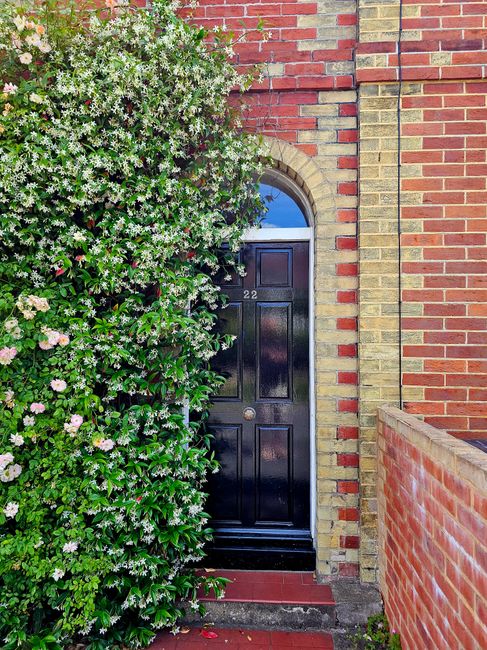
Blackwall business gardeners for offices and property managers
Keeping an office entrance tidy, a courtyard usable, and a managed property looking cared for sounds simple enough. In real life, it rarely is. Leaves gather in corners, hedges creep over paths, lawns thin out after a wet spell, and one missed visit can make a business entrance look tired very quickly. That is where Blackwall business gardeners for offices and property managers come in.
This guide explains what commercial garden care actually involves, why it matters for workplaces and managed sites, and how to plan it without wasting time or money. You will also see what to look for in a service, where the common mistakes happen, and how to set a standard that feels professional every week, not just on the day somebody is due to visit.
If you are comparing service options, it can help to start with the broader services overview, then work through the practical details below.
Table of Contents
- Why Blackwall business gardeners for offices and property managers matters
- How Blackwall business gardeners for offices and property managers works
- Key benefits and practical advantages
- Who this is for and when it makes sense
- Step-by-step guidance
- Expert tips for better results
- Common mistakes to avoid
- Tools, resources and recommendations
- Law, compliance, standards, or best practice
- Options, methods, or comparison table
- Case study or real-world example
- Practical checklist
- Conclusion
- Frequently asked questions
Why Blackwall business gardeners for offices and property managers matters
For an office, outdoor space is part of the first impression. For a property manager, it is part of the asset. People notice the front boundary, the planters, the hedging, the weeds by the kerb, and whether the place feels cared for. They notice it fast too. Sometimes before they even clock the sign above the door.
A tidy exterior can affect how tenants, visitors, staff, and potential clients experience the building. A neglected one can suggest low standards elsewhere, even if the inside is perfectly well run. Fair or not, that is how people read a space.
Commercial gardening in Blackwall is not just about cutting grass. It is about keeping shared and visible areas presentable, safe, and manageable across seasons. That can mean routine maintenance, seasonal tidy-ups, hedge and shrub control, lawn care, clearance work, and occasional landscaping support. In practical terms, it helps reduce complaints, lowers reactive callouts, and keeps the site easier to manage over time.
There is also a very simple operational benefit. If your building exterior is under control, the rest of site management tends to feel calmer. You are not chasing emergency overgrowth or trying to fix a neglected entrance the night before a landlord inspection. No drama. Much better.
Where outdoor spaces are being improved or reset, services such as garden maintenance and garden clearance are often the practical starting point, because they deal with the mess first and establish a maintenance rhythm after that.
How Blackwall business gardeners for offices and property managers works
Commercial garden care usually starts with a walkthrough or review of the site. The goal is to understand what needs attention, how often it needs attention, and which areas matter most. An office entrance may need a different routine from a rear courtyard, rooftop planter area, communal strip, or boundary line behind the car park. One size does not really fit all.
From there, the work is usually split into recurring maintenance and occasional task-based jobs. Recurring work can include mowing, hedge trimming, edging, weed control, bed tidying, and sweeping hard surfaces. Task-based work might involve one-off clearance, seasonal cutbacks, or small improvement works such as adding structure or repairing a tired-looking area.
A sensible plan often follows this sequence:
- Inspect the site and identify priority areas.
- Agree the frequency of visits and the type of work needed.
- Set expectations for access, waste removal, and communication.
- Carry out the first clean-up or reset visit.
- Move into the scheduled maintenance cycle.
The real value comes from consistency. A site that is cut and swept regularly does not need heroic rescue work every month. That sounds obvious, but in practice it is where many managers get caught out.
Depending on the space, the plan may also include specialist tasks such as lawn mowing, hedge trimming, tree lopping and removal, or even landscaping if the site needs a more noticeable refresh.
Key benefits and practical advantages
The obvious benefit is appearance. But there are a few less visible wins that matter just as much to offices and property managers.
- Better first impressions: A neat exterior instantly feels more professional.
- Lower complaint volume: Tenants and staff are less likely to report overgrown areas, blocked paths, or untidy entrances.
- Improved usability: Outdoor seating, access routes, and communal areas stay easier to use.
- Less reactive work: Regular maintenance prevents jobs from becoming bigger and more expensive later.
- Safer grounds: Clear pathways, controlled growth, and tidy edges reduce avoidable hazards.
- Stronger asset care: Managed outdoor space supports the wider building presentation.
There is a quieter benefit too: peace of mind. If you know the site is being checked and maintained, you stop mentally storing those little outdoor problems. The loose branch, the bramble by the fence, the grass verge that keeps going patchy. It all sits easier.
For some managers, the biggest payoff comes from having one provider handle the routine work and the more awkward clean-up jobs when needed. That creates a more joined-up standard, especially when you are comparing options and trying to keep everything on one line. In those cases, a reliable provider such as the team behind about us can matter as much as the list of services themselves.
Who this is for and when it makes sense
This type of service is a strong fit for office buildings, managed blocks, business parks, commercial courtyards, shared entrances, and mixed-use properties. It is also useful for landlords who want external areas kept in better shape between tenancies or during longer occupancy.
You will usually feel the need most strongly in one of these situations:
- The site is visible to clients, residents, or visitors.
- Staff or tenants use outdoor paths, smoking areas, or communal gardens.
- Maintenance has become inconsistent because no one owns it properly.
- The outdoor space has lots of small jobs rather than one big obvious issue.
- You need a dependable routine rather than a one-off tidy-up.
It also makes sense after periods of neglect, heavy weather, seasonal growth, or a change in property management. Truth be told, a lot of commercial garden work starts with a "this got away from us a bit" conversation. That is normal. It happens.
If the site has been left too long, a first visit may be more about restoration than maintenance. That is when garden clearance, hedge reduction, and possible landscape improvement work come into play before regular visits take over.
Step-by-step guidance
1. Start with the site's actual needs
Walk the property properly. Do not rely on a quick glance from the pavement. Look at front-of-house areas, rear access, edges, fences, planters, drains, planting beds, and any places where litter or cuttings tend to collect.
Ask: what is visible, what is used, and what causes recurring problems?
2. Decide what needs routine care
Some areas need frequent attention. Others only need occasional seasonal work. For example, a front lawn and entrance border may need regular mowing and edging, while a side strip may only need quarterly control.
This is where a maintenance-led plan beats a panic-led one.
3. Separate maintenance from improvement
Routine care keeps a site under control. Improvement work changes the look or function of the space. That could mean new planting, hard landscaping, or upgrading tired areas that are no longer doing their job.
If the site feels flat or outdated, services like landscape gardening and decking services may help create a more usable outdoor environment, especially where staff or occupants spend time outside.
4. Set access, timing, and communication rules
Commercial sites can be awkward. Deliveries arrive, staff come and go, residents have routines, and sometimes an area that should be accessible is not. Clear instructions about access windows and contact points save time for everyone.
5. Agree waste handling and finish standards
What gets removed? What stays? Where should cuttings go? Do paths need to be swept every visit? These small details shape the quality of the result. A good garden team will leave the space looking finished, not just "done".
6. Review and adjust after the first few visits
The first plan is rarely the final one. Growth rates change with weather, usage patterns shift, and a site that looked fine in spring may need more attention by late summer. Review the schedule before small issues become larger ones.
Expert tips for better results
From experience, the best commercial outdoor spaces are not usually the ones with the biggest budgets. They are the ones with a sensible routine and a clear finish standard. Small thing, big difference.
- Keep entrances simple: Fewer cluttered features mean easier upkeep and a cleaner look.
- Prioritise visible edges: Borders, corners, and path lines are where neglect shows first.
- Choose the right seasonal cadence: Spring and early summer often need tighter attention because growth can jump quickly.
- Bundle tasks where sensible: Combining mowing, trimming, and general tidying reduces repeat visits and keeps the site consistent.
- Use photos at handover: A quick before-and-after record helps property managers track quality over time.
One practical tip that gets missed a lot: if a site has a known trouble spot, deal with that area first on each visit. The same damp corner by the bin store, the same patch at the rear fence, the same overgrown planter by the entrance. Deal with the repeat offender first. It saves headaches.
For sites where safety and access are important, it is worth checking a provider's public approach to health and safety policy and insurance and safety. That is not overthinking it; it is just sensible property management.
Common mistakes to avoid
Commercial garden care can go wrong in very ordinary ways. Here are the traps that show up most often.
- Hiring only for price: Cheap can look fine for one visit, then become expensive in poor consistency or missed detail.
- Ignoring the access plan: If nobody knows how the team gets in, the visit is already behind schedule.
- Skipping the reset stage: A neglected site often needs one-off clearance before regular care can work properly.
- Vague instructions: "Just tidy it up" is not enough if you expect a specific finish.
- Forgetting waste removal: Cuttings, branches, and debris should not be left to become someone else's problem.
- Waiting until it looks bad: At that point, you are no longer maintaining a space. You are rescuing one.
Another common one: expecting the same schedule all year. London weather has opinions of its own, and Blackwall sites are no exception. Growth, shade, wind, and foot traffic all shift the work needed. You may need to tweak the plan more than once. That is perfectly normal.
Tools, resources and recommendations
A good commercial garden team will usually bring the right kit for the size and type of site, but property managers still benefit from understanding the basics. You do not need to know every machine. You do need enough awareness to ask sensible questions.
| Need | Useful approach | Why it helps |
|---|---|---|
| Routine lawn care | Scheduled mowing and edging | Keeps grass neat and prevents uneven growth |
| Boundary control | Regular hedge trimming | Stops overgrowth from blocking views or paths |
| Problem areas | Targeted clearance work | Resets neglected sections before maintenance starts |
| Site presentation | Seasonal tidy-ups and planting review | Improves the first impression for visitors and occupants |
| Longer-term upgrades | Landscaping or decking improvements | Can make outdoor areas more usable and easier to maintain |
Useful internal pages to review when planning the work include lawn mowing, hedge trimming, and landscaping, especially if your property needs both routine upkeep and a more structured visual refresh.
If you are dealing with a lot of debris or an overgrown site, garden clearance is often the fastest way to get back to a manageable baseline. And when you are ready to compare costs or ask about scope, the pricing and quotes page is a useful next stop.
Law, compliance, standards, or best practice
For commercial properties, the main compliance question is usually not about flowers or turf. It is about keeping the site safe, accessible, and managed in a way that fits normal UK expectations for business premises and common areas.
That means thinking about:
- clear walkways and access routes
- safe handling of tools and waste
- controlled working around staff, visitors, or residents
- reasonable care around trees, shrubs, and overhanging growth
- appropriate insurance and contractor oversight
You should also look for basic written policies that show the provider takes its responsibilities seriously. Useful examples include a clear complaints procedure, transparent payment and security information, and sustainability-focused handling of green waste where possible.
In many managed settings, best practice is simply to document the agreed scope, keep a visit record, and review the site after seasonal changes. Nothing fancy. Just enough structure so the work stays predictable and accountable.
Where waste and cuttings are involved, responsible disposal matters too. A provider's approach to recycling and sustainability can be a helpful sign that they are not taking shortcuts.
Options, methods, or comparison table
Office and property managers usually end up choosing between three broad approaches. Each has a place, depending on the site.
| Approach | Best for | Pros | Limitations |
|---|---|---|---|
| One-off tidy-up | Sites that just need a reset | Fast, useful for neglected areas | Does not solve ongoing upkeep |
| Scheduled maintenance | Most offices and managed properties | Stable presentation, fewer surprises | Needs regular coordination |
| Maintenance plus improvement works | Sites needing a refresh as well as upkeep | Balances appearance and function | Requires more planning and budget |
In practice, most well-run sites land in the middle option. Regular maintenance carries the day, and occasional improvement work keeps things from drifting into tired territory. That is usually the sweet spot.
Case study or real-world example
Imagine a mixed-use building with an office entrance at the front and a small shared courtyard at the rear. The front looks fine from a distance, but up close the hedge is leaning into the walkway, the lawn is patchy around the edges, and the courtyard planter has become a bit of a jungle after a wet spell. Nothing disastrous. Just enough to feel off.
The first visit focuses on reset work: trimming the hedge, clearing dead growth, edging the lawn, removing debris, and making the access routes feel open again. A second visit follows a few weeks later, this time on a lighter maintenance schedule. By the third visit, the site is easier to hold because the problem areas were tackled properly at the start.
What changed? Not the size of the space. The rhythm changed. The manager had a clear schedule, the garden team knew where the repeated trouble spots were, and the site stopped slipping between visits.
That kind of shift is common. And honestly, once a property gets that much easier to live with, nobody misses the old scramble.
Practical checklist
Use this as a quick planning checklist before you book or brief a commercial garden team.
- Have you walked the whole site, not just the front entrance?
- Do you know which areas need routine care and which need a reset?
- Have you decided how often the site should be visited?
- Are access arrangements clear?
- Do you know where waste and cuttings should go?
- Have you agreed the expected finish standard?
- Is there a contact person for questions on the day?
- Do any trees, hedges, or overgrown areas need specialist attention?
- Have you checked the provider's policies and insurance information?
- Do you have a plan for seasonal changes and review points?
If you can tick most of those boxes, you are in a good place. If not, that is fine too. It just means the brief needs sharpening before work starts.
Conclusion
Blackwall business gardeners for offices and property managers are not just there to make things look neat for a day. The real value is in keeping outdoor spaces dependable, presentable, and easy to manage over time. For offices, that supports reputation. For property managers, it supports the asset and reduces hassle. For everyone else on site, it quietly makes the place feel better to be in.
The smartest approach is usually straightforward: assess the site honestly, reset what has been neglected, then keep it under control with a realistic schedule. If you do that, the exterior stops being a recurring problem and starts doing its job properly. Small win, but a meaningful one.
If you are ready to plan the work, explore the service options, review pricing and quotes, and use the contact page when you want a more tailored discussion. It is often easier than people expect, and far less stressful once the first plan is in place.
Get a free quote today and see how much you can save.
Sometimes the best-managed properties are the ones that quietly stay on top of the basics. That is the real trick, and it works.
Frequently Asked Questions
What do Blackwall business gardeners for offices and property managers actually do?
They maintain the outdoor areas of commercial or managed properties. That can include mowing, hedge trimming, clearance, tidying borders, removing waste, and improving the overall presentation of the site.
How often should a commercial garden be maintained?
It depends on the size of the site, the season, and how visible the space is. High-traffic entrances may need more frequent attention than quieter rear areas, especially in the growing season.
Is a one-off tidy-up enough for a business property?
Sometimes, but usually not for long. A one-off visit is useful for a reset, but most offices and managed buildings benefit from a recurring maintenance plan to keep things under control.
What is the difference between garden clearance and maintenance?
Garden clearance removes overgrowth, debris, and accumulated mess. Maintenance keeps the site tidy after that, using regular visits and smaller tasks to stop it from slipping again.
Can commercial gardeners help with overgrown hedges and trees?
Yes, often. Hedge trimming is a common request, and some sites may also need tree lopping or removal where growth is affecting safety, light, or access. The work should be assessed carefully.
How do property managers choose the right service level?
Start with the site's visible areas, safety points, and recurring issues. Then decide whether you need routine upkeep only or a mix of maintenance and improvement work.
Do office gardens need different care from residential gardens?
Usually, yes. Commercial sites tend to prioritise presentation, access, consistency, and low disruption. The work needs to fit around staff, visitors, tenants, or other users.
What should I ask before booking a gardener for a managed property?
Ask about scope, frequency, access arrangements, waste removal, insurance, and how the team handles unexpected issues on site. Those basics tell you a lot.
How can I keep costs under control?
Regular maintenance is usually more efficient than waiting for problems to build up. It also helps to combine tasks where possible and agree a clear finish standard from the start.
Why does sustainability matter in commercial garden work?
Because green waste, cuttings, and removed material still need to be handled properly. A responsible approach supports better site management and avoids unnecessary waste.
What if the site has poor access or awkward timing?
That is common, especially with shared buildings and busy entrances. The best approach is to make access windows and site contacts clear before the first visit, so the work does not get disrupted.
Where should I start if the outdoor area looks neglected?
Start with a site walk and a proper reset plan. If the space is heavily overgrown or cluttered, a clearance visit first can make everything else much easier to manage.
Contact the team if you want to discuss the most suitable approach for your office or managed property.