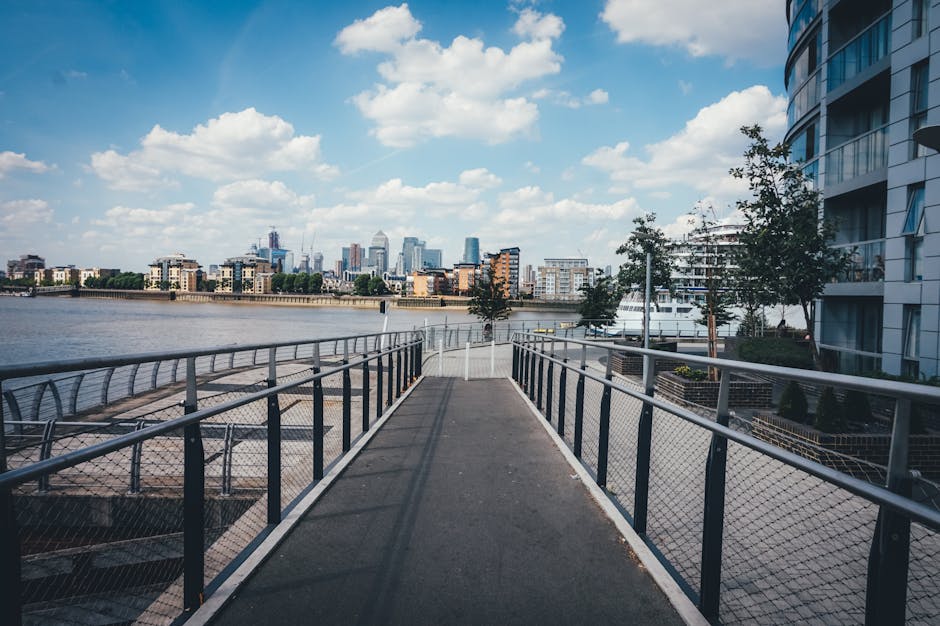
Blackwall gardeners local guide to Canary Wharf terraces
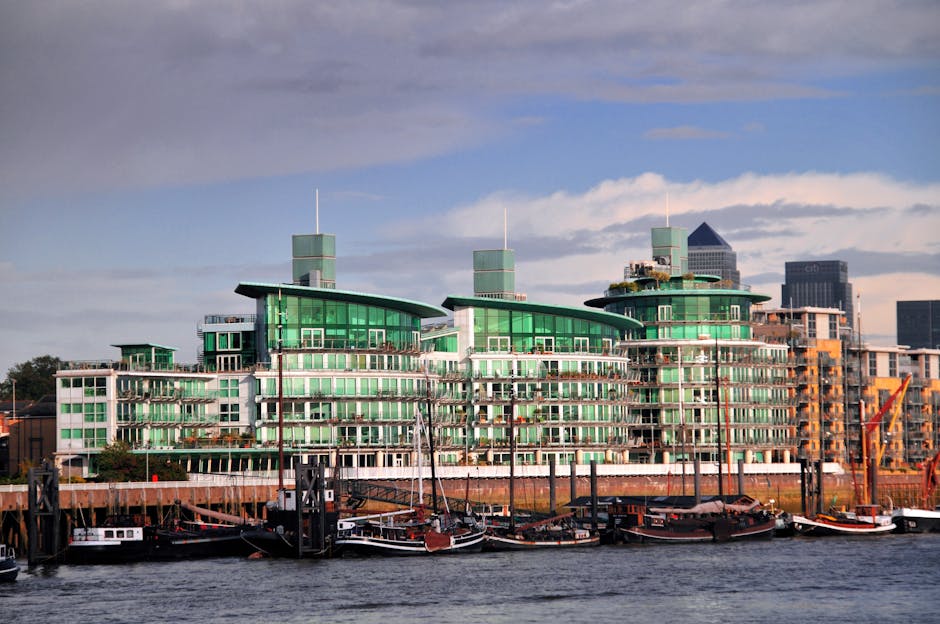
If you look after a terrace in Canary Wharf, you already know it is not quite the same as a standard back garden. Wind behaves differently. Shade shows up where you least expect it. Pots dry out fast in one corner, then stay soggy in another. This Blackwall gardeners local guide to Canary Wharf terraces is here to make that reality easier to manage, whether you are dealing with a neat balcony-style terrace, a private podium garden, or a long, narrow outdoor space that needs proper planning rather than guesswork.
The good news? With the right approach, a terrace can stay smart, healthy, and easy to use all year. In this guide, we will cover what makes Canary Wharf terraces different, how local gardeners approach them, the practical steps that usually produce the best results, and the common mistakes that waste time and money. You will also find a checklist, a comparison table, and a few useful pointers on maintenance, safety, and standards. No fluff. Just proper, usable advice.
Why Blackwall gardeners local guide to Canary Wharf terraces Matters
Canary Wharf terraces sit in a very specific urban environment. There is height, exposure, reflected light from glass and stone, and often limited access. That combination affects everything: plant choice, watering frequency, soil performance, drainage, and even how long hard surfaces stay clean.
To be fair, many terrace problems are not dramatic. They are the quiet kind. A planter slowly waterlogs because the pot has no proper feet. A hedge looks tidy one month and ragged the next because it is too exposed to cut back hard. A lawn patch, where one exists, struggles because shade and airflow are poor. These are the issues that a local gardener notices early, before they become expensive.
Blackwall gardeners who understand Canary Wharf terraces tend to think in layers. They look at the structure of the space, not just the plants. They ask: where does the wind hit? Where does water run? Which parts dry first in summer and which parts never really dry at all? That approach matters because terrace gardening is less about dramatic transformations and more about steady, intelligent maintenance.
If you are deciding whether to invest in professional help, this local context is the real reason. A terrace in this part of London usually needs a maintenance plan that fits an urban rhythm: busy weekdays, periodic access, a premium on cleanliness, and a strong preference for outdoor spaces that look polished without demanding constant rescue work.
Expert summary: On Canary Wharf terraces, the best results usually come from practical planning first, planting second, and routine maintenance always. If you reverse that order, you tend to spend more time fixing avoidable issues later.
How Blackwall gardeners local guide to Canary Wharf terraces Works
The process is simpler than people expect, although the details matter. A good terrace gardening plan usually starts with a walkthrough of the space and a straightforward assessment of what the terrace is actually doing day to day.
Here is how it typically works in practice:
- Assess the site. Note sun, shade, wind, drainage, access, and load-bearing concerns for heavier planters or features.
- Define the purpose. Is the terrace for entertaining, quiet morning coffee, screening, growing herbs, or all of the above?
- Select suitable planting. Choose containers, shrubs, climbers, or seasonal colour that can handle the exposure and upkeep level.
- Plan maintenance. Set out watering, pruning, feeding, cleaning, and seasonal refresh work.
- Schedule practical work. This may include garden maintenance, hedge trimming, lawn mowing where applicable, or more structural changes through landscaping and decking services.
A lot of terrace jobs also need coordination. If the space has built-up debris, old pots, broken furniture, or failed planting, a tidy start can save hours later. In those cases, a more thorough garden clearance makes the rest of the work cleaner and more predictable.
One thing people sometimes miss: terrace gardening is not only about beauty. It is about movement, safety, and usability. A terrace that looks lovely but traps standing water or creates clutter at the access point is, bluntly, not finished. Not really.
Key Benefits and Practical Advantages
There are obvious benefits to a well-kept terrace, but the practical advantages are often more valuable than the visual ones.
- Better use of space. A terrace can function as an extra living room if layout is handled properly.
- Reduced maintenance stress. A clear planting and care plan means fewer emergency fixes.
- Improved plant survival. Matching plants to wind, light, and container size helps them last.
- Cleaner surfaces. Good upkeep reduces moss, leaf litter, algae, and slipping risks.
- Longer lifespan for materials. Decking, pots, railings, and furniture last longer when cared for properly.
- Stronger first impression. This matters a lot in apartment blocks, managed developments, and shared-access buildings.
For many residents, the biggest win is emotional, not horticultural. You step outside and the space feels calm instead of unfinished. That matters on a grey Tuesday evening just as much as a sunny Saturday morning.
If your terrace forms part of a wider outdoor refresh, it can help to review broader service options through the services overview. Sometimes the best result comes from pairing planting care with better layout, hard landscaping, or a cleaner maintenance rhythm.
Who This Is For and When It Makes Sense
This guide is useful for a few different types of people.
- Flat owners or renters who want a tidy terrace without constant upkeep.
- Busy professionals who need a maintenance plan that works around long commutes and limited free time.
- Landlords and property managers responsible for outdoor presentation and basic safety.
- Developers or block managers dealing with planted communal terraces or podium spaces.
- Homeowners who want a more private, well-structured outdoor retreat in a dense urban setting.
It makes sense to seek help when the terrace is becoming hard to manage rather than waiting for it to go downhill. That is usually the turning point. Plants look tired, the surface needs attention, and nobody quite knows where to begin. Sound familiar?
It also makes sense after a seasonal shift. Spring growth can be lively but messy. Late summer can be dry and patchy. Autumn brings leaf drop and blocked drainage. Winter tests containers, fixings, and hard surfaces. Each season asks something different of the space, and a local gardener will usually plan for those changes rather than react to them.
Step-by-Step Guidance
1. Start with an honest terrace audit
Stand in the space and look at it like a visitor would. What do you see first? What gets in the way? Where does clutter collect? Which part feels inviting, and which part feels ignored? A quick audit often reveals more than a long brainstorming session.
Check the condition of pots, drainage holes, gravel trays, furniture feet, railings, fixings, and any decking or paving. If the terrace has been neglected for a while, you may need a combination of clearing, pruning, and re-setting the space before any planting work begins.
2. Prioritise structure before decoration
People often jump straight to flowers. Fair enough, flowers are lovely. But on a terrace, structure comes first: screens, containers, paths, access routes, and any permanent features. Once the skeleton is right, the rest becomes easier.
If you are considering a more permanent outdoor feel, it can be worth looking at landscape gardening for layout ideas and then adding finishing touches such as compact planting, screening, or decking details.
3. Choose the right plants for exposure
Canary Wharf terraces can be deceptive. A spot may look sheltered, but wind tunnels and reflected heat often change the conditions. The best plants are those that match the actual environment, not the ideal one in your head at the garden centre.
For exposed terraces, sturdy evergreens, tough perennials, and container plants with flexible root systems often perform better than delicate, thirsty choices. If there is a lot of shade, focus on foliage and texture rather than expecting constant flowering. If the terrace bakes in afternoon sun, use deeper containers and moisture-retentive compost to reduce stress.
4. Build a sensible watering routine
Containers dry faster than ground-level beds, especially higher up on a building. That means watering needs to be measured and regular, not random. Early morning is often the most sensible time, before heat and wind pull moisture away. On warm days, you may need to check again in the evening. It is a bit tedious, yes. But the plants do not care.
5. Keep maintenance small and frequent
The most effective terrace routine is usually short and consistent. Deadhead, sweep, check ties, remove yellowing leaves, and keep an eye on drainage. That tiny bit of attention, repeated, prevents the "oh dear, this has become a project" moment.
For many clients, pairing terrace care with scheduled garden maintenance is what keeps the space usable all year.
6. Review and refresh seasonally
Seasonal resets are where terraces stay sharp. In spring, refresh compost and tidy winter damage. In summer, manage water use and heat stress. In autumn, clear leaves and check drainage. In winter, secure loose items and protect tender planting where needed.
Expert Tips for Better Results
A few small decisions make a big difference on terraces, especially in a place like Canary Wharf where the environment is urban and exposed.
- Use heavier pots where stability matters. Lightweight containers can move or tip in strong wind.
- Raise planters slightly off the surface. This helps with drainage and stops staining or trapped moisture.
- Think in groups. Several pots together usually look better and cope better than single scattered containers.
- Mix textures, not just colours. Leaves, grasses, evergreen structure, and seasonal flowers create a richer result.
- Keep sightlines clear. Terrace spaces feel bigger when they are not visually cluttered.
- Use screens carefully. Good screening can add privacy, but too much can make a terrace feel boxed in.
One small reality check: if you want a space that looks good from the sofa and the door, you need to design for both angles. That sounds obvious until you realise how many terraces only work from one viewpoint.
Where hard surfaces are part of the plan, a neat deck can be a practical addition. Properly designed decking can help define zones, soften the look of a terrace, and make it feel more coherent. If that is on your mind, take a look at the options around decking services.
Common Mistakes to Avoid
Terrace mistakes tend to be repeat offenders. The same ones crop up again and again.
- Choosing plants for looks alone. A plant that looks great in a sheltered nursery may struggle badly on an exposed terrace.
- Ignoring drainage. Standing water damages roots and can create slip risks.
- Overfilling the space. Too many pots and features make the terrace awkward to use and maintain.
- Using containers that are too small. Small pots dry out fast and restrict root growth.
- Neglecting regular trimming. A little pruning now is much easier than a major cutback later.
- Forgetting access. Delivery routes, bin movement, and emergency access matter more than people think.
Another common slip is assuming terrace work is a one-off project. It is not, really. It behaves more like a living system with a maintenance rhythm. If that rhythm breaks, the space starts to look tired surprisingly quickly.
If the terrace includes shrubs, boundary planting, or screening hedges, a periodic visit from a specialist in hedge trimming can keep lines clean and prevent the whole space from feeling overgrown.
Tools, Resources and Recommendations
You do not need a warehouse of equipment to keep a terrace in good shape. In most cases, a compact set of reliable tools is better than a huge pile of bits you never use.
Useful tools for terrace upkeep
- Hand pruners for small cuts and deadheading
- Lightweight shears for shaping soft growth
- Watering can or hose setup suited to the site
- Gloves with a decent grip
- Soft broom or outdoor brush
- Small scoop or trowel for repotting
- Moisture-retentive compost for containers
- Sturdy plant ties and support canes where needed
Some people also benefit from professional support when a terrace has become heavily cluttered or seasonal debris has built up. In that case, garden clearance can reset the space so you are not trying to garden around old problems.
If you are comparing service levels, it helps to ask what is included in maintenance visits, how often the space will be checked, and whether the plan covers structural issues or only general tidying. For cost transparency, the pricing and quotes page is a useful place to start when you are evaluating what level of support makes sense.
For businesses, landlords, or managed buildings, a tidy external presentation may also tie into broader site standards and upkeep schedules. It is not glamorous, but it saves headaches. And sometimes that is enough.
Law, Compliance, Standards, or Best Practice
Terrace gardening in London is not usually about dramatic regulation, but there are still sensible standards to follow. The main point is to stay practical, safe, and respectful of the building and its occupants.
Good practice typically includes:
- Checking load-bearing limits before placing very heavy planters, water features, or large quantities of material on a terrace.
- Keeping walkways clear so access routes are not blocked by pots, tools, or storage.
- Managing drainage properly to avoid water pooling, staining, or damage to surfaces.
- Using safe working methods where height, edge protection, or awkward access is involved.
- Respecting building rules if the terrace sits within a managed development or shared property.
From a service provider perspective, trust matters. You want a team that is clear about safety, communication, and how they work around occupied homes. That is why pages such as insurance and safety, health and safety policy, and about us can be useful when you are checking who you want on site.
There is also a wider responsibility to handle waste thoughtfully. Pruning waste, old compost, and removed materials should be disposed of or recycled responsibly where possible. If sustainability matters to you, the recycling and sustainability page is worth a look.
In a shared or managed environment, a tidy paper trail is not a bad thing either. Clear terms, fair billing, and straightforward communication help avoid confusion later, which everyone appreciates. Nobody wants a drama over a skipped planter.
Options, Methods, or Comparison Table
Not every terrace needs the same solution. Some just need routine care. Others need a rethink from the ground up. Here is a simple comparison to help you decide what level of work is appropriate.
| Approach | Best for | What it includes | Typical upside | Watch out for |
|---|---|---|---|---|
| Light maintenance | Already tidy terraces | Watering, deadheading, sweeping, seasonal checks | Low disruption, low cost, easy to repeat | Won't solve layout or drainage issues |
| Targeted improvements | Spaces with a few weak points | Pruning, replacing tired plants, small layout changes | Noticeable improvement without major work | Needs a clear plan or it can become piecemeal |
| Full reset | Overgrown, cluttered, or neglected terraces | Clearance, redesign, new containers, structural planting | Best chance of a long-lasting result | More time, more cost, more decisions |
As a rule of thumb, if the terrace feels awkward rather than merely untidy, targeted improvements or a full reset may be the smarter path. If it just looks a bit tired, maintenance is probably enough. Simple answer, but useful.
Case Study or Real-World Example
Picture a typical Canary Wharf terrace: rectangular layout, glass balustrade, afternoon wind, and a few ageing planters that have been carried from one corner to another for years. The owner wants the space to feel calm enough for coffee in the morning and neat enough for occasional guests.
The first visit usually reveals the pattern. One end gets more light. The other end stays cooler and holds moisture. A couple of containers have become too small, so plants dry out quickly in summer. There may be a decorative screen that blocks some wind, but not enough to protect the more delicate planting. And the floor? A bit dusty, a bit stained, and not terrible, but not exactly inviting either.
The solution is rarely flashy. Clear the tired items. Reposition the good ones. Introduce a few sturdier structural plants. Add consistent watering. Tidy the floor, check drainage, and make sure the arrangement leaves room to walk and sit comfortably.
After that, the terrace starts to feel intentional. Not overdone. Just right. A smart space that can handle real life, which is the whole point.
Practical Checklist
Use this checklist before, during, or after terrace work. It keeps the process focused.
- Have you checked sun, shade, and wind exposure across the whole terrace?
- Are drainage holes and runoff paths clear?
- Do container sizes match the plants properly?
- Is there enough room to walk, sit, and access key areas safely?
- Have you chosen plants suited to the actual terrace conditions?
- Are there any dead, damaged, or overcrowded plants that need trimming or removal?
- Does the terrace need a deeper clean or a full garden clearance first?
- Is there a seasonal watering and maintenance routine in place?
- Are heavy objects positioned safely and sensibly?
- Have you reviewed service details, trust signals, and pricing before booking help?
If you can tick most of those off, you are already ahead of the game. And if not, that is fine too. Most terraces improve in stages, not in one heroic afternoon.
Conclusion
Canary Wharf terraces demand a bit more thought than ordinary gardens, but they also reward it. With the right layout, the right plants, and a realistic maintenance plan, even a compact urban terrace can feel calm, polished, and genuinely useful. The main thing is not to fight the space. Work with it. Watch how the light moves, how the wind behaves, and how much time you actually have to care for it.
That is the practical heart of this Blackwall gardeners local guide to Canary Wharf terraces: make sensible decisions early, keep maintenance consistent, and treat the terrace as a living part of the home rather than a decorative afterthought. Do that, and the space starts giving back instead of taking energy away.
If you are ready to improve your terrace, explore the relevant service pages, review how the work is handled, and speak to a team that understands local conditions and the realities of London outdoor spaces. A good terrace should feel easy. That is the goal, really.
Get a free quote today and see how much you can save.
Frequently Asked Questions
What makes Canary Wharf terraces different from ordinary gardens?
Terraces in Canary Wharf are usually more exposed, more compact, and more influenced by wind, reflected light, and limited access. That means plant choice, drainage, and layout matter more than they might in a ground-level garden.
How often should a terrace be maintained?
For most terraces, little-and-often works best. A quick weekly check, with deeper seasonal work, keeps the space in good shape. High-exposure terraces may need watering and inspection more often in warm weather.
Can a terrace have real plants, or should I stick to containers?
Containers are usually the most practical option, but the right planting scheme can still feel lush and layered. The trick is choosing plants that suit the space rather than forcing in anything too fragile.
What is the biggest mistake people make with terrace planting?
Choosing plants for looks alone. A beautiful plant that cannot cope with wind, drying conditions, or shade is not a good terrace plant. It sounds obvious, but it happens all the time.
Do I need professional help for a small terrace?
Not always. If the terrace is simple and you enjoy basic upkeep, you may be fine on your own. Professional help becomes more useful when the space is awkward, cluttered, overgrown, or difficult to maintain consistently.
How do I stop terrace pots from drying out so quickly?
Use larger containers where possible, choose moisture-retentive compost, group pots together for some protection, and water consistently. On exposed terraces, watering routines matter more than most people expect.
Is decking a good idea for a terrace?
It can be, especially if you want a warmer, more structured feel underfoot. Decking can help define the space, but it needs proper design, fit, and maintenance to avoid becoming slippery or tired-looking.
What if my terrace has old plants and clutter I no longer want?
A clear-out first is usually the best move. Starting with garden clearance gives you a cleaner base for planting, cleaning, or redesigning the space properly.
How do I compare gardening services for a terrace?
Look at scope, maintenance frequency, safety information, pricing clarity, and whether the provider understands urban terrace conditions. You are not just buying labour; you are buying judgement, which is rather important.
What should I ask before booking a local gardener?
Ask what is included, how access is handled, how waste is removed, whether the work suits your terrace conditions, and what happens if the space needs more than routine maintenance. Straight answers are a good sign.
Can terrace gardening work in a shaded space?
Yes, but the planting approach changes. Shade-tolerant foliage, careful watering, and smart container placement become more important than bright seasonal colour. Shade terraces can be lovely, actually, if they are handled properly.
Where should I start if I want the terrace to feel more finished?
Start with the structure: clear clutter, fix drainage issues, and decide how the space should be used. After that, add plants, textures, and a maintenance routine. It is usually better to build slowly than to rush a makeover and regret it later.